
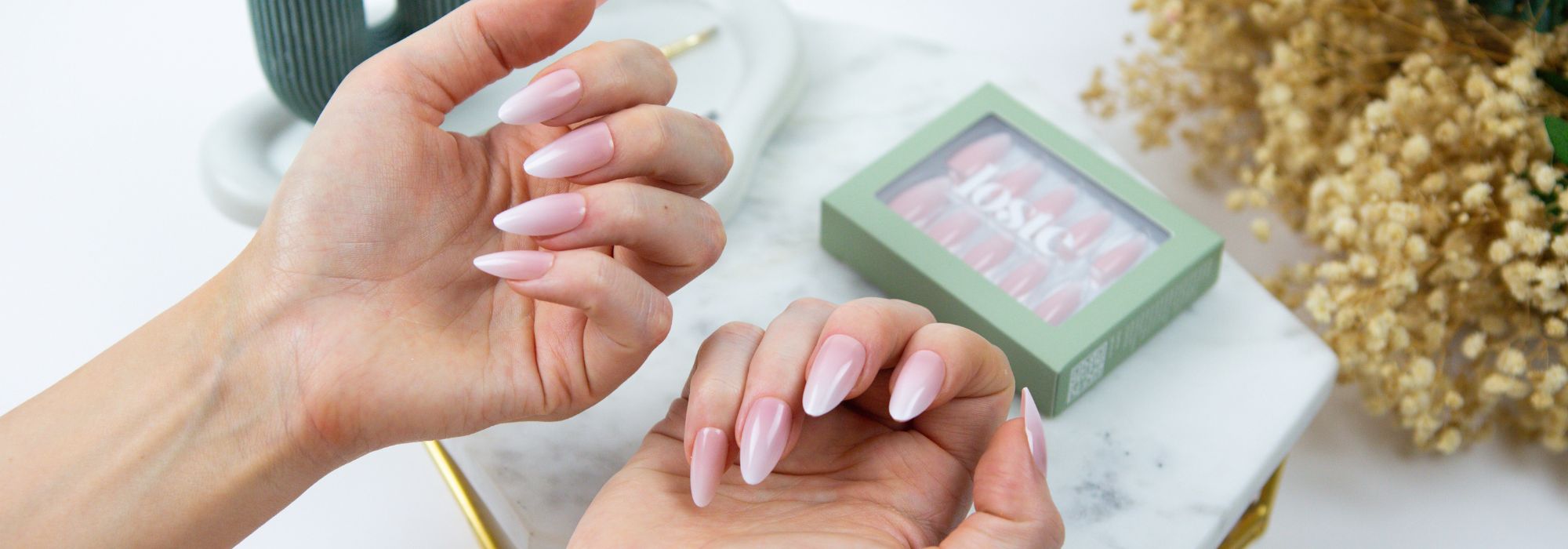
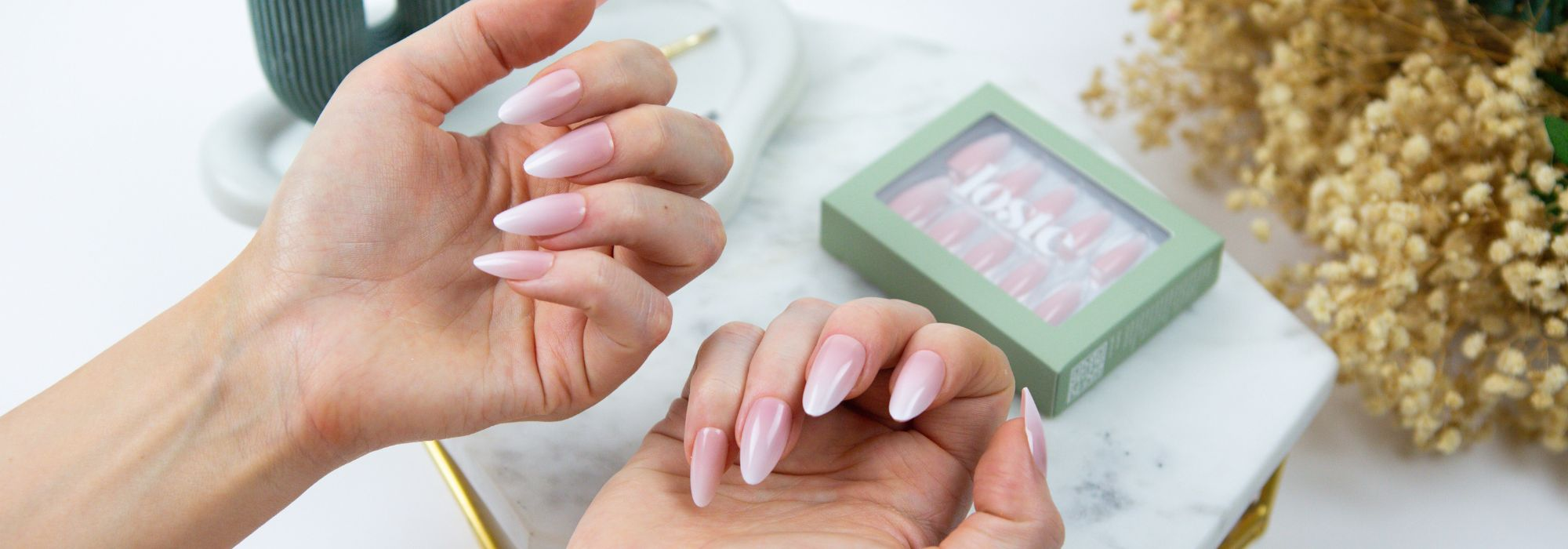
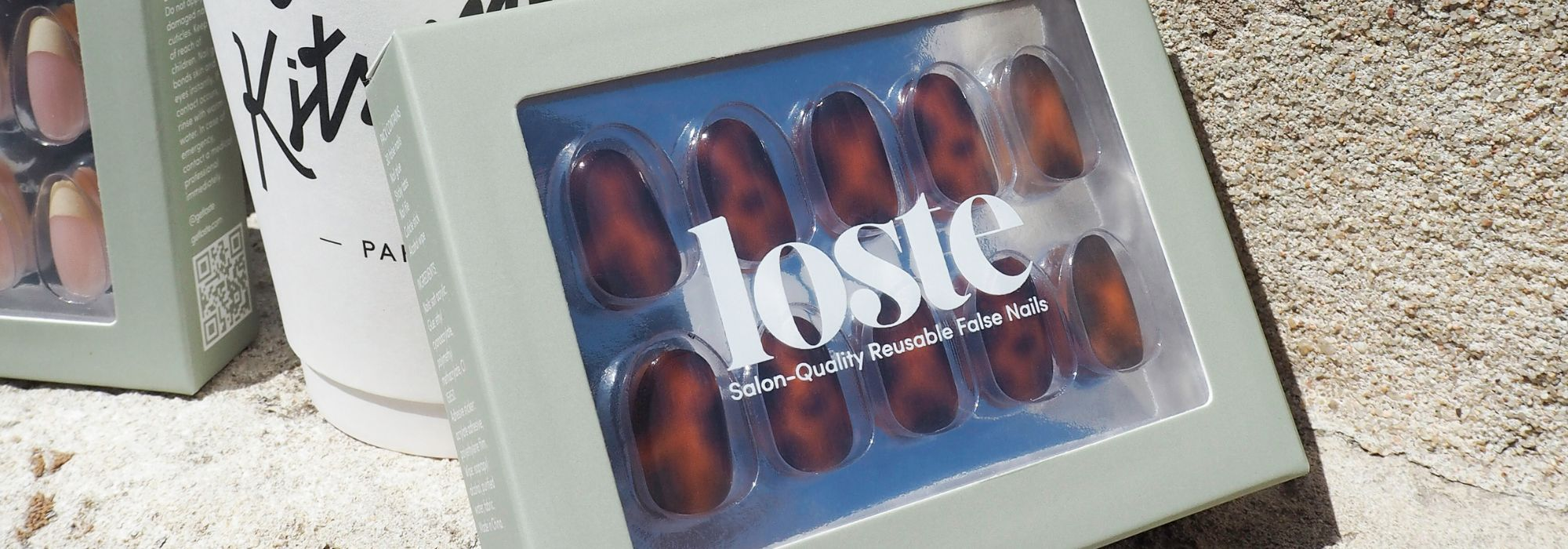
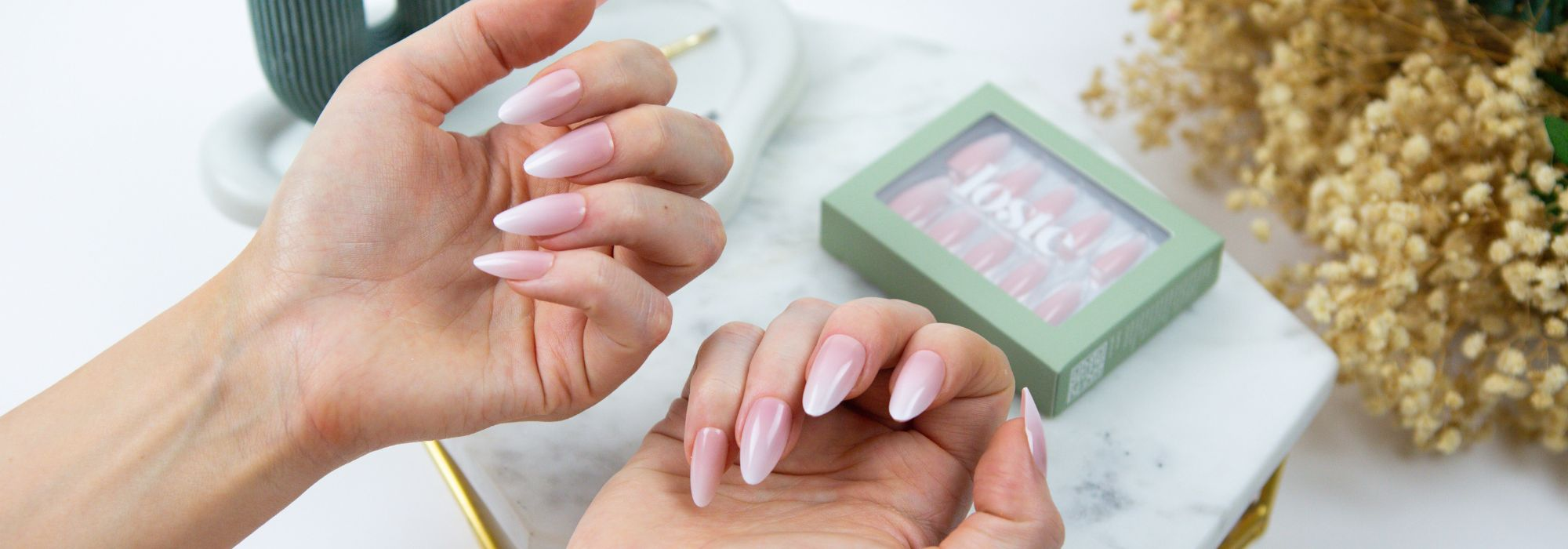


For many, the departure from gel or acrylic extensions isn't a choice; it's a necessity born from a "breaking point." Whether you're dealing with "rings of fire" from e-files or paper-thin plates, the journey to full restoration starts here.
"I just couldn't do it anymore. The last time the tech took off my gels, my nails were wrecked, they look completely ruined and I have these deep red 'rings of fire'... I'm hiding my hands in meetings." Community Insight
How long does it take for a damaged nail to grow out?
Nail recovery is a biological timeline: Fingernails grow at an average rate of 3 to 3.5 millimetres per month. Therefore, it takes approximately 4 to 6 months to completely replace a damaged nail plate from the matrix to the free edge after severe mechanical stress or chemical dehydration.
- Mechanical Stress: Aggressive filing or e-file drills strip the dorsal layers of the nail plate, exposing sensitive nerve endings.
- Chemical Dehydration: Prolonged exposure to acetone acts as a solvent, stripping essential oils and rendering the keratin brittle.
- Barrier Disruption: Water is the enemy of damaged keratin. Every time your nails get wet, they expand and contract, causing further peeling and splitting.
The Nail Restoration Protocol: A Curated Recovery
1. Why should I keep my nails short while they heal?
Length acts as a lever against a weakened nail bed, increasing the risk of painful tears and snags. The first step of any nail recovery regimen is the 'Editorial Chop', maintaining a conservative, tailored length to mitigate mechanical stress while the new plate regenerates.
Nail tip: Discard the standard emery board. Invest in a crystal glass file. It seals the keratin layers at the free edge rather than shredding them, effectively cauterizing the nail against further splitting.
2. How do I restore the lipid barrier to brittle nails?
To restore the lipid barrier, you must utilise 'slugging' by applying a jojoba-rich cuticle oil (molecularly compatible with human sebum) followed by an occlusive balm. This seals the nail plate against water damage and restores the natural oil balance necessary for flexibility.
The Science: A 2019 clinical trial demonstrated that topical biomineral formulations (including Vitamin E and panthenol) led to a 40% improvement in nail hardness within 12 weeks. Jojoba oil’s unique structure allows it to penetrate the keratin more effectively than common mineral oils.
3. Is it safe to use press-ons on damaged nails?
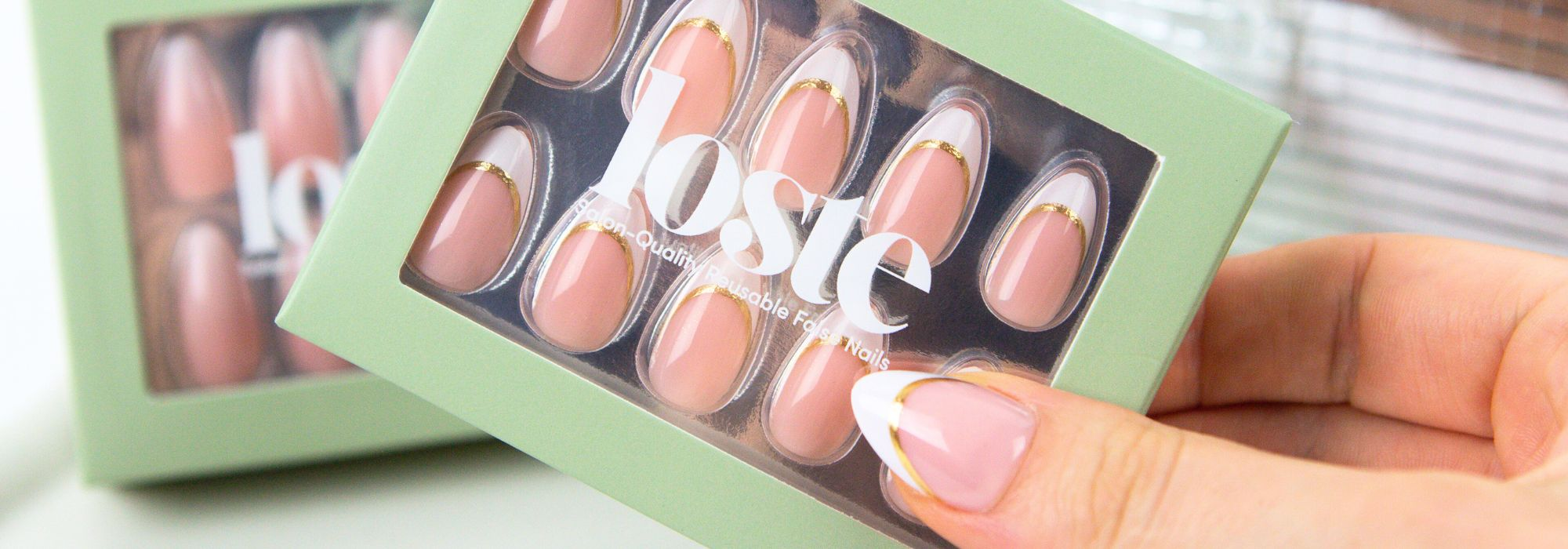
Yes, it is safe to use press-ons while your nails heal, provided you utilise temporary sticky tabs instead of liquid glue. The press-on acts as a 'physical splint' or shield, protecting the compromised natural nail from water exposure and impact while it grows out undisturbed.
"My nails were too weak to just leave bare, they were snagging on everything. Press-ons with adhesive tabs saved me. It acts like a little shield." Loste Customer Experience
The Method: The adhesive tab provides a chemical-free hold that guards the sensitive nail bed. Avoid all buffing of the natural nail during this phase to preserve every remaining layer of keratin.
4. What are the best supplements for nail recovery?
The most effective supplements for nail recovery are Biotin (2.5mg daily for 25% thickness increase), Bioactive Collagen Peptides (2.5g for 42% fewer breaks), and Solubilised Keratin (500mg for 87.5% better breakage resistance). These provide the internal building blocks for rapid cell division in the nail matrix.
The Foundation is Hydration: Before any supplement works, your body needs water. Systemic dehydration directly reduces nail plate flexibility, making already-compromised nails even more prone to cracking and peeling. Aim for at least 2 litres of water daily throughout the recovery phase.
- Biotin (Vitamin B7) — 2.5mg daily: The most-studied nail supplement. In a landmark 1990 trial, Colombo et al. demonstrated a 25% increase in nail plate thickness after 6 months of supplementation. Hochman et al. (1993) confirmed significant reductions in splitting and brittleness.
- Bioactive Collagen Peptides — 2.5–5g daily: A 2017 double-blind trial by Hexsel et al. showed 42% fewer broken nails and a 12% increase in growth rate after 24 weeks of daily collagen peptide intake. Note: these results used specific bioactive peptides (such as VERISOL®), not generic hydrolyzed collagen — which typically requires 10g/day to achieve comparable absorption.
- Solubilized Keratin — 500mg daily: Beer et al. (2014) reported an 87.5% improvement in breakage resistance versus placebo — one of the strongest clinical results in nail supplementation.
- Zinc — 10–15mg daily: A cofactor for over 300 enzymes involved in protein synthesis, including the keratin assembly happening in the nail matrix. Deficiency is directly linked to brittle nails and slow growth.
- Iron: Ensures oxygen transport to the nail bed, supporting the rapid cell division needed for healthy plate generation. Low ferritin is a common — and often overlooked — cause of spoon-shaped or brittle nails.
Important caveat: Supplements only affect new nail growth emerging from the matrix — they cannot repair existing damaged keratin. Expect a minimum of 3 to 6 months of consistent use before visible results. Additionally, the FDA has warned that high-dose biotin (≥2.5mg daily) can interfere with common blood tests, potentially masking serious conditions including cardiac troponin levels and thyroid function. If you are supplementing with biotin, discontinue it at least 48 to 72 hours before any blood work and inform your doctor.
Do damaged nails need to "breathe"? The Nail Detox Myth
No, nails do not need to breathe. The "nail detox" is a myth. Biologically, nails are composed of dead keratin cells; they have no respiratory function. A compromised, paper-thin nail is actually more vulnerable when left bare and exposed to the elements.
Every time your naked, damaged nails get wet, washing dishes, showering, even just washing your hands, the keratin absorbs water, expands, and then contracts as it dries. This repeated cycle is what causes peeling, flaking, and splitting. Your nails don't need air. They need a physical barrier.
This is exactly why press-ons with sticky tabs are the scientifically-aligned recovery tool: they act as a protective shield against water infiltration and mechanical trauma, all without the chemical stress of UV-cured gels or harsh glue. While the "detox" crowd suffers through months of breakage, a protective press-on lets the matrix do its job undisturbed.
Conclusion: Life on the Other Side
The nail restoration journey is not a pause; it is a pivot toward a more sustainable, higher-end beauty ritual. The 4–6 month timeline is not a sentence; it's the runway to a life without salon dependency.
"It took almost a year to fully grow out the damage, but having my healthy nail beds back is the best feeling. No more salon appointments, no more chemical smell, and no more hiding my natural hands." Community Insight
"The money I've saved since quitting the salon is insane. Now I just keep them short, neat, and use cuticle oil every day." Community Insight
By the time your natural nails have fully regenerated, you may find that the salon has become obsolete and that the version of "polished" you now prefer is one you control entirely.
Discover the Loste Collection here: Shop All
Read Next: Anatomy of a Manicure


